
Designing Investor-Ready Websites for ESG and Clean Energy Companies
Your website is often your first investor pitch. Long before a meeting, deck, or data room, potential investors will assess your company through your digital presence. For ESG and clean energy companies, this scrutiny is even higher—because credibility, transparency, and impact are central to your value proposition.
Pepita Maiden
12/16/20253 min read
An investor-ready website doesn’t just look good. It builds trust, communicates impact, and signals operational maturity. Below, we break down what investors look for and how ESG and clean energy companies can design websites that support fundraising, partnerships, and long-term growth.
Why Investor-Readiness Matters More in ESG and Clean Energy
Unlike traditional startups, ESG and clean energy companies operate in sectors where:
Claims must be verifiable
Impact must be measurable
Regulations, incentives, and timelines are complex
Capital requirements are often high and long-term
Investors are asking:
Is this company credible?
Is the impact real or just marketing?
Can this team execute at scale?
Do they understand policy, risk, and economics?
Your website should answer these questions clearly and confidently—without requiring deep digging.
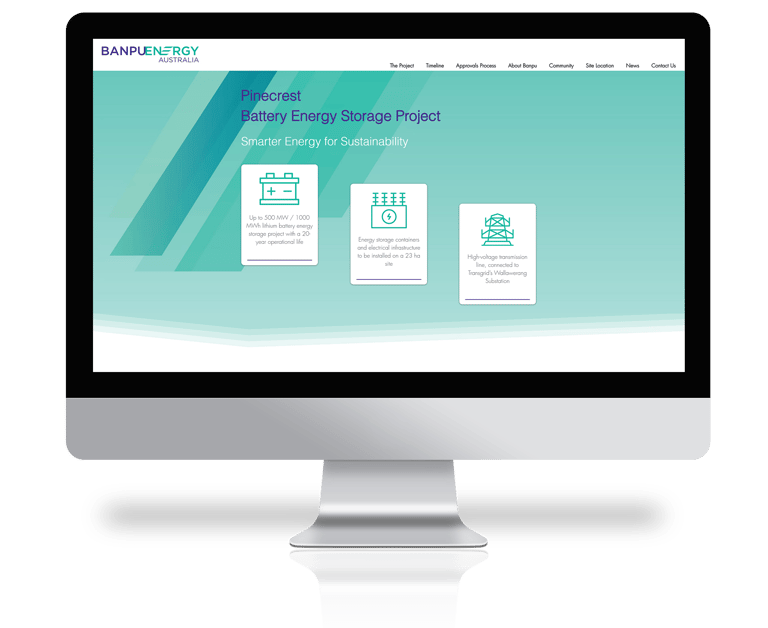
Core Elements of an Investor-Ready ESG Website
1. Clear, Credible Value Proposition (Above the Fold)
Within the first few seconds, an investor should understand:
What you do
Who it’s for
Why it matters financially and environmentally
Avoid vague statements like:
“We’re transforming the future of sustainability.”
Instead, aim for clarity:
“We develop grid-scale battery storage systems that reduce renewable curtailment by up to 30%.”
Pair this with a concise subheading that ties impact to economics.
2. Impact, Quantified and Explained
Impact is not a slogan—it’s data.
Investor-ready ESG websites clearly present:
CO₂ reduced or avoided
Energy generated or saved
Water conserved
Waste diverted
Social or community outcomes (when relevant)
Best practices:
Use numbers with context
Explain how impact is calculated
Distinguish projections from actuals
Reference standards (GHG Protocol, SASB, TCFD, etc.)
This builds confidence that your company understands accountability and reporting.
3. A Business Model Investors Can Understand
Many clean energy and ESG startups lose investors by oversimplifying or overcomplicating their model.
Your website should clearly explain:
How you make money
Who pays you
Contract structures (PPAs, SaaS, licensing, asset ownership, etc.)
Unit economics at a high level
Visual diagrams, simple flowcharts, or step-by-step explanations work far better than dense paragraphs.
4. Proof of Traction and Validation
Investors look for signals that others believe in you.
Include:
Key customers or partners (logos if permitted)
Pilot projects or deployments
Revenue milestones or growth metrics
Grants, awards, or government backing
Strategic partnerships
Even early-stage companies can show traction through pilots, MOUs, or credible institutional support.
5. Team Credibility and Governance
In capital-intensive sectors, the team matters as much as the technology.
Your website should highlight:
Relevant industry experience
Previous exits or scale-up experience
Technical and regulatory expertise
Advisors or board members (especially if well-known)
Include real photos, concise bios, and clear roles. This signals transparency and confidence.
6. Risk Awareness and Regulatory Understanding
Investors know ESG and clean energy come with risks. A strong website doesn’t hide them—it shows awareness.
You can demonstrate this by:
Referencing regulatory frameworks you operate under
Showing alignment with national or regional energy goals
Explaining how your solution adapts to policy changes
Highlighting compliance and certifications
This reassures investors that your company is built for the real world, not just ideal scenarios.
7. Professional Design That Signals Maturity
Design isn’t about flash—it’s about trust.
Investor-ready design principles:
Clean, modern layouts
Consistent branding
Readable typography
Thoughtful use of data visualization
Fast load times and mobile responsiveness
Overly “greenwashed” visuals or stock-heavy imagery can hurt credibility. Authentic photography, diagrams, and real project visuals are far more effective.
8. Dedicated Investor or Resources Section (When Appropriate)
As you scale, consider including:
Investor relations or “Resources” page
Press releases and media mentions
Downloadable fact sheets or one-pagers
ESG or impact reports
Contact path for investor inquiries
This doesn’t replace a data room—but it shows preparedness.
Common Mistakes ESG Companies Make on Their Websites
Leading with mission, not business
Making unverified or exaggerated impact claims
Hiding complexity instead of explaining it
Overusing buzzwords like “disruptive” or “game-changing”
Treating investors as an afterthought audience
Remember: clarity beats cleverness.
Your Website Is Part of Your Fundraising Strategy
An investor-ready website works 24/7:
Pre-qualifying inbound investors
Reinforcing pitch meetings
Supporting partner discussions
Building long-term credibility
For ESG and clean energy companies, it’s not just a marketing asset—it’s a trust-building tool that reflects your seriousness, rigor, and readiness to scale.
If your mission is to help change the world, your website should prove you’re capable of doing it. Let us help you build your image and message : contact us today.
Even a simple, inexpensive single scrolling home page will get your message across.